Sleep science
The Power Nap Guide: How Long to Nap Without Feeling Groggy
For most adults, the best power nap lasts about 10–20 minutes and happens in the early afternoon. Research suggests naps that short improve alertness with little grogginess. Sleep for 30 minutes or more and you give yourself time to sink into deeper sleep, so you are more likely to wake up foggy before you feel better.
Key takeaways
- For most adults, a nap of about 10–20 minutes improves alertness with little grogginess.
- Naps of 30 minutes or more leave time to sink into deeper sleep, so you tend to wake up foggy.
- Early afternoon is the usual sweet spot; late naps can make it harder to sleep at night.
- Set an alarm before you lie down, and allow a few minutes before driving afterward.
- If you sleep badly at night or need a nap every day, look at your nights first.
How long should a nap be?
A review of nap research in healthy adults found that short naps of roughly 10–20 minutes improve alertness with little grogginess, while longer naps bring more sleep inertia, the fog you feel right after waking.1 A small lab study of people who had slept less than usual the night before compared naps of different lengths. The 10-minute nap gave the most immediate improvement in alertness and performance, while a 30-minute nap caused a period of grogginess first.2
What counts is time asleep, not time lying down. If you usually drop off within a few minutes, a timer set for about 20 minutes puts you in the right range. If you take longer to fall asleep, add a little, and accept that some days you will only rest. Quiet rest with your eyes closed is still a break, even when it is not a nap.
| Nap length | What tends to happen | Good for |
|---|---|---|
| About 10–20 minutes | Mostly light sleep; alertness improves soon after waking, with little grogginess | An afternoon lift, or a break before a drive or a long meeting |
| Around 30 minutes | Long enough to start sinking deeper; often a groggy spell before any benefit | Rarely the best choice; shorten it or plan some recovery time |
| Around 60 minutes | More deep sleep and stronger sleep inertia on waking | Catching up after a very short night, when you have time to come around |
| Around 90 minutes | Roughly one sleep cycle, though cycle length varies between people | A recovery nap on a free day; the most likely to delay sleep that night |
Why can a longer nap leave you groggier?
Sleep deepens as a sleep period goes on. In the first minutes you are in light sleep and easy to wake; given longer, you can slip into deep sleep, the stage furthest from wakefulness. An alarm that pulls you out of deep sleep brings thicker sleep inertia. A review of the research found that this grogginess usually fades within about 15–30 minutes, but can last longer after waking from deep sleep or after sleep loss.3
That is why a half-hour nap can feel like the worst of both worlds: long enough to wake up heavy, too short to feel like real rest. You can read more about why you feel groggy after waking and about what light, deep and REM sleep do.
Long naps have a second cost. Sleep pressure, the drive to sleep that builds while you are awake, is partly spent by a long nap, so bedtime can arrive before you feel ready for it.
What is the best time of day for a nap?
If you keep a regular daytime schedule, early afternoon is the usual sweet spot. Many people feel a natural dip in alertness then, even without a big lunch, and a nap at that point works with your body clock rather than against it.
The later you nap, the more it eats into the sleep pressure you need at bedtime. If the slump hits in the early evening, keep any nap very short, or skip it and go to bed a little earlier instead. Shift workers run on a different clock: a short nap before a night shift, or during a break where that is allowed, is a common strategy, and the same logic applies about keeping naps short and well away from your main sleep.
Does a coffee nap work?
A coffee nap means drinking a cup of coffee right before a short nap. The idea is that caffeine takes a while to kick in, so it starts working around the time you wake and helps clear the grogginess. Researchers do list caffeine among the candidate countermeasures for sleep inertia, which makes the idea plausible.3 Research on coffee naps themselves is limited, though, so treat it as an experiment rather than a proven technique.
Two cautions. Some people find it hard to doze off with caffeine on board, and the method only makes sense earlier in the day. A coffee in the late afternoon can cost you sleep that night, as explained in how late is too late for caffeine.
Who should skip naps?
Naps are not for everyone. If you have trouble falling or staying asleep at night, a daytime nap can spend the sleep pressure you need at bedtime, and you may do better staying awake until your usual bedtime for a while. A doctor can help if poor sleep has lasted for weeks.
It is also worth asking why you need the nap. An occasional afternoon dip is normal. Needing a nap every day just to function suggests your nights are too short or too broken, and the fix lies there, as covered in what sleep debt is and how to pay it down.
How to set up a nap so you actually wake up
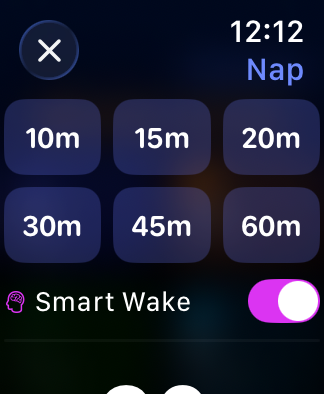
- Set the alarm before you lie down. Decide the length first, so you are not relying on yourself to surface on time.
- Make it easy to drift off. A dim, quiet spot, an eye mask or earplugs all help. Some people find that reclining in a chair, rather than getting into bed, makes it easier to keep the nap short.
- Do not chase sleep. If you do not drift off, rest anyway and get up when the alarm goes off.
- Wake up properly. Get into bright light, stand up and move around, and have some water.
- Give yourself a buffer. Wait a few minutes before driving or doing anything that needs your full attention.
Where to start with your next nap
Next time the afternoon slump hits, try a 20-minute timer, a dim spot and a few minutes of daylight afterward. Notice how you feel an hour later, and adjust by a few minutes either way. If short naps leave you refreshed and you still sleep well at night, you have a useful tool. If they do not, or you find yourself needing one every day, look at your nights first.
Frequently asked questions
Is a 20-minute nap better than a 1-hour nap?
For a quick lift, usually yes. A review of nap research found that short naps of roughly 10 to 20 minutes improve alertness with little grogginess, while longer naps bring more sleep inertia. An hour-long nap gives you more sleep, which can help after a very short night, but expect to feel heavy at first and allow time to come around.
Why do I wake up from a nap feeling worse?
You probably slept long enough to sink into deep sleep, and waking from deep sleep brings stronger sleep inertia, the foggy, slow feeling after waking. It usually fades within about 15 to 30 minutes. Shorter naps, an alarm set before you lie down, and bright light and movement straight after waking all help.
Is it bad to nap every day?
Not necessarily. Many people take a short daily nap and still sleep well at night. It becomes a concern if naps make it harder to fall asleep at bedtime, or if you need one every day just to function, which can point to short or poor night sleep. Strong daytime sleepiness despite enough time in bed is worth discussing with a doctor.
Should I nap if I have insomnia?
It is usually better not to. Napping spends some of the sleep pressure that builds during the day, so you may find it even harder to fall asleep at bedtime. If you must nap, keep it short and early in the afternoon. If trouble sleeping lasts for weeks, talk to a doctor, because effective treatments exist.
Sources
- Milner CE, Cote KA. Benefits of napping in healthy adults: impact of nap length, time of day, age, and experience with napping. Journal of Sleep Research, 2009. doi.org/10.1111/j.1365-2869.2008.00718.x
- Brooks A, Lack L. A brief afternoon nap following nocturnal sleep restriction: which nap duration is most recuperative? Sleep, 2006. doi.org/10.1093/sleep/29.6.831
- Hilditch CJ, McHill AW. Sleep inertia: current insights. Nature and Science of Sleep, 2019. doi.org/10.2147/NSS.S188911
This article is for general information only and is not medical advice. WakeUp 2day is not a medical device and does not diagnose, treat or prevent any condition. If you are worried about your sleep or your health, talk to a doctor.